When building or renovating a home or business in Toronto, North York, Scarborough, or anywhere across the GTA, one of the most crucial systems to get right is your plumbing installation.
If you’re searching plumbing installation meaning, it’s more than just connecting pipes — it’s the heart of your home’s water system. It includes planning, running supply and drain lines, installing fixtures like toilets, showers, dishwashers, water heaters, and even smart leak detection systems.
A professional plumbing setup ensures:
- Consistent water pressure throughout your home
- Safe drainage and venting
- Long-term reliability with minimal maintenance costs
Whether you’re planning a new construction project, upgrading your bathroom or kitchen, replacing a toilet, or simply curious about how plumbing systems work, proper design and installation are crucial for safety, performance, and code compliance.
In this post, you’ll learn:
- What plumbing installation really means and how it works
- The cost factors and what affects pricing across the GTA
- Step-by-step installation details with diagrams and examples
- Tips for avoiding common plumbing mistakes and maintaining your system
- When to call a professional plumber near you for help
💧 By the end of this guide, you’ll understand every part of the plumbing installation process — from planning and materials to testing and certification — so you can make confident, informed decisions for your property.
If you live in Toronto, North York, Scarborough, or anywhere in the GTA, and you’ve searched plumbing installation near me, GTa Rooter is your local licensed plumbing team — professional, fast, and fully insured.
Master Your Plumbing, Build a Worry-Free Home — Start Today!
Understanding Plumbing Systems
Before diving into the details of a plumbing installation, it’s important to understand how a typical plumbing system works in a Canadian home. Every house — whether in Toronto, North York, or Scarborough — relies on two main subsystems: the water supply system and the drainage (or waste) system.
The water supply system delivers clean, pressurised water from the municipal source or a private well to your faucets, showers, dishwashers, toilets, and water heaters. It’s built from a network of pipes, valves, and fixtures designed to maintain steady pressure and safe water quality. Most modern homes in the GTA use PEX piping for its flexibility and durability, although copper and PVC are still common choices.
The drainage system, on the other hand, handles the removal of wastewater and greywater from your home. It works purely by gravity, directing used water through drainpipes and vents that prevent vacuum pressure and allow air to flow, keeping everything running smoothly and odour-free.
In a properly installed system, these two networks — supply and drainage — work hand-in-hand to keep your home’s plumbing efficient, sanitary, and compliant with Ontario building codes. A good understanding of this balance is key before planning any plumbing installation work, whether it’s a toilet plumbing installation, shower plumbing installation, or even a full new-construction system.
(Pro Tip: A plumbing installation diagram can be very helpful here — showing how supply lines, vents, and drains connect through walls and floors. GTa Rooter’s certified technicians use professional diagrams and inspections to ensure everything meets the highest standards of performance and safety.)
Planning the Installation
Proper planning is the foundation of every successful plumbing installation. Before any pipes are cut or fittings attached, you need a clear design and layout that ensures efficiency, safety, and long-term reliability. Whether you’re setting up a new bathroom, upgrading fixtures, or completing a full plumbing installation for new construction, taking time to plan will save you from costly mistakes later on.
Importance of Design and Layout
A well-thought-out plumbing layout determines how smoothly your system will run. It shows exactly where water supply lines, drains, vents, and fixtures will be placed throughout your home.
Professionals at GTa Rooter use plumbing installation diagrams to map out pipe routes through walls and floors, ensuring proper slope, spacing, and accessibility.
A clear design also helps avoid cross-connections (where clean and wastewater might mix) and makes future repairs or upgrades much easier.
Assessing Water Needs and Fixture Placement
Every home has unique water requirements. Planning starts with assessing how much water each area needs — for example:
- Bathrooms require multiple fixtures such as toilets, sinks, and showers.
- Kitchens need connections for sinks, dishwashers, and refrigerators.
- Outdoor systems may include garden taps, pools, or irrigation.
During this stage, plumbers calculate pipe sizes and water pressure to ensure that every fixture gets the right flow without drops or surges. The positioning of fixtures should also be practical — close enough to main supply and drain lines to reduce material costs and improve efficiency.
Checking Local Building Codes and Permits
In Toronto and across the GTA (including North York and Scarborough), building codes and permits are essential before any plumbing work begins. These codes set standards for pipe materials, venting, backflow prevention, and fixture spacing — all to protect homeowners and ensure safety.
Professional plumbers must hold a plumbing installation certificate and adhere to Ontario Building Code regulations.
Before starting your project, it’s always smart to contact your local municipality or work with a certified contractor like GTA Rooter, who handles all permits and inspections on your behalf.
✅ Pro Tip: Proper planning not only keeps your plumbing system efficient but also helps reduce your overall plumbing installation cost by minimizing rework, material waste, and compliance issues.
Tools and Materials Needed
Every successful plumbing installation begins with the right tools and materials. Having the proper equipment on hand makes the job smoother, faster, and safer — whether you’re working on a bathroom plumbing installation, PEX plumbing system, or new construction project in Toronto or the GTA.
Essential Plumbing Tools
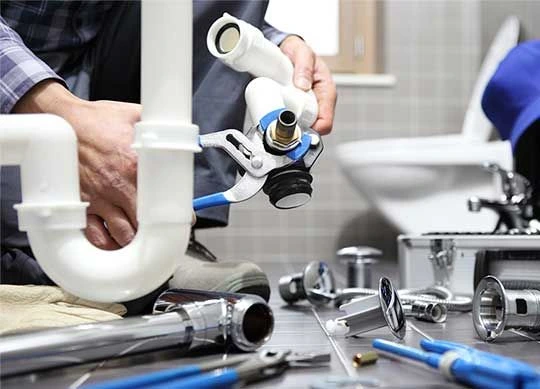
Professional plumbers rely on a core set of tools designed for cutting, tightening, sealing, and assembling pipes.
Here’s a list of must-haves for any plumbing installation work:
- Pipe Cutter: For making clean, precise cuts in copper, PVC, or PEX pipes.
- Adjustable Wrench: A versatile tool for tightening or loosening nuts and fittings.
- Pipe Wrench: Ideal for gripping and turning metal pipes.
- Teflon Tape (Thread Seal Tape): Prevents leaks in threaded joints by creating a watertight seal.
- Pipe Bender or Crimper: Used when working with PEX or copper to shape connections properly.
- Measuring Tape & Level: Ensure accurate alignment and slope of pipes.
- Safety Gear: Gloves, goggles, and knee pads for protection during installation.
💡 Pro Tip: GTa Rooter’s certified plumbers always double-check fittings and joints using a calibrated torque wrench — a simple step that guarantees long-term leak prevention.
Common Plumbing Materials
Choosing the right materials is just as important as having the right tools. Different materials are suited for different parts of your plumbing system depending on water pressure, temperature, and use case.
Here are the most common ones used in GTA plumbing installations:
- PVC (Polyvinyl Chloride): Lightweight and ideal for drainage and venting systems.
- Copper Pipes: A traditional, durable choice that resists corrosion and handles high temperatures well.
- PEX Pipes: Flexible, affordable, and perfect for both hot and cold water supply lines — great for retrofits or new builds.
- Brass and Stainless-Steel Fittings: Provide reliable joints that resist leaks and wear.
- Valves: Used to control water flow, shut off sections, or isolate fixtures during repairs.
Tips for Choosing Quality Materials
When selecting plumbing materials, quality always pays off. Using certified and durable products ensures your installation meets local codes and lasts for years without issues.
Here are a few expert tips from GTa Rooter’s plumbing installation team:
- Always look for CSA- or NSF-certified products approved for use in Canada.
- Avoid mixing incompatible materials (e.g., PVC with metal without proper adapters).
- Choose fittings and valves made of lead-free brass for better safety and performance.
- Store materials in a dry, clean place before installation to prevent contamination or damage.
High-quality materials may cost a bit more upfront, but they significantly lower maintenance costs and future repair needs — keeping your plumbing system reliable and efficient for decades.
Step-by-Step Plumbing Installation Process (Toronto, North York, Scarborough & GTA)
When it comes to professional plumbing installation across Toronto, North York, Scarborough, and the GTA, every detail matters. From connecting your home’s main water line to installing fixtures and testing for leaks, proper installation ensures reliability, safety, and compliance with Ontario’s strict building codes.
Here’s a detailed, step-by-step guide — exactly how GTa Rooter’s certified plumbers handle installations for both residential and commercial properties in the Greater Toronto Area.
Step 1 – Plan & Design
- Define your project scope: full house, bathroom, kitchen, laundry, pool, etc.
- Create a plumbing installation diagram to map all supply, drain, and vent lines.
- Select your materials: PEX plumbing installation is flexible, durable, and cost-efficient.
- Verify water pressure and the location of main drains.
- Request a plumbing installation near me free estimate — GTa Rooter provides on-site evaluations across the GTA.
Proper planning ensures efficient water flow, safe drainage, and long-term reliability for every fixture.
Step 2 – Permits & Plumbing Installation Certificate
Before starting, check your city’s permit requirements (Toronto, North York, Scarborough all follow the Ontario Building Code).
Once the system passes inspection, you’ll receive a plumbing installation certificate, confirming your system meets all code requirements.
Step 3 – Rough-In (Supply & Waste Lines)
- Install cold and hot supply lines along with vent stacks.
- Use correct slopes for drain lines (¼ inch per foot).
- Protect PEX or copper lines from freezing in winter.
- For plumbing installation on the 2nd floor, ensure proper venting to prevent airlocks.
This phase forms the backbone of your plumbing system and sets the stage for fixture installation.
Step 4 – Fixture & Appliance Installation
Toilet Plumbing Installation
- Turn off the main water supply.
- Set flange height, place wax seal, and mount the toilet.
- Connect supply line and test for leaks.
- Use a new toilet installation plumbing diagram for correct layout.
Shower Plumbing Installation
- Install mixing valve and waterproof the shower area.
- Maintain proper drain slope and ensure pressure-balanced valve installation.
- Test before tiling.
Dishwasher Plumbing Installation
- Connect to hot water supply and drain via air gap or high loop.
- GTa Rooter offers same-day dishwasher plumbing installation across GTA homes.
Laundry Plumbing Installation
- Add hot/cold supply with shutoffs.
- Install 2-inch standpipe with proper venting.
- Ideal for basement or 2nd-floor laundry setups.
Kitchen Plumbing Installation
- Connect sink, faucet, garbage disposal, and fridge water line.
- Test both pressure and drainage before closing cabinetry.
Water Heater Plumbing Installation (Tank or Tankless)
- Connect water supply, pressure relief valve, venting, and gas/electric line.
- For gas models, install gas leak detectors (required in Ontario).
- GTa Rooter’s licensed techs handle all permits and inspections for water heater plumbing installation. For a full guide on professional water heater installation in Toronto, North York, and Scarborough, see this detailed article
Plumbing Installation for Swimming Pools
- Includes suction and return lines, filtration, and pressure testing.
- Essential for both in-ground and above-ground pools.
Connecting the Main Water Supply
Your plumbing system starts with a stable connection to the city’s main water supply.
Licensed plumbers carefully connect the main line using CSA-approved fittings and lead-free valves, including a backflow prevention device (required in Toronto) to protect your drinking water.
💡 GTa Rooter always pressure-tests main connections to ensure consistent water flow and zero leaks before proceeding.
Installing Shut-Off Valves and Running Supply Lines
Each fixture — from the kitchen sink in North York to the bathroom shower in Scarborough — has its own shut-off valve for easy maintenance.
Supply lines (PEX, copper, PVC) are routed through walls and floors following plumbing diagrams.
Proper insulation and anchoring keep pipes secure and energy-efficient, even in Toronto’s cold winters.
Setting Up Drainage and Vent Systems
Effective drainage and venting are critical.
Drainage systems are installed with the correct slope to move wastewater smoothly, and vents prevent clogs and odours.
All installations comply with Ontario Building Code standards, ensuring safe, sanitary, and code-compliant systems.
Pro Tip: Poor venting is one of the most common DIY plumbing mistakes — always leave vent planning to certified pros.
Testing for Leaks and System Performance
Every connection, valve, and fixture is pressure-tested.
The system is flushed to remove debris and air, then inspected according to GTA municipal regulations.
Every GTa Rooter project concludes with a certified Plumbing Installation Certificate, ensuring compliance with Ontario and municipal safety standards.
Why GTA Homeowners Trust GTa Rooter
From downtown Toronto condos to Scarborough family homes and North York businesses, GTa Rooter provides reliable, code-compliant plumbing installation backed by years of local expertise.
We handle everything from permits to final inspection, giving you peace of mind that your plumbing system will perform flawlessly for years to come.
Plumbing Safety & Alarm Installation
Water Leak Detectors
Installed under sinks, beside dishwashers, near heaters or in basements.
Detect leaks early and automatically close the main water valve — protecting your home from costly water damage.
Gas Leak Detectors
For gas-powered water heaters and furnaces — these devices monitor and alert you to even small gas leaks.
Carbon Monoxide (CO) Detectors
Mandatory in Ontario homes with gas appliances.
Install near bedrooms and on every floor.
Smart Plumbing Systems
Modern plumbing installation work often includes Wi-Fi-enabled smart valves that detect leaks, monitor usage, and prevent floods — a growing trend in new construction plumbing installation across Toronto and the GTA.
Burst pipe or sudden leak? Get a trusted 24/7 plumber in Toronto now!
Plumbing Installation Cost in Toronto & GTA
| Type | Average Cost (CAD) |
| Toilet / Sink Install | $200 – $700 |
| Full Bathroom Plumbing | $2,000 – $8,000 |
| Whole Home (New Build) | $8,000 – $30,000+ |
| Dishwasher / Laundry | $150 – $400 |
| Water Heater | $900 – $3,500 |
| Leak Detector / Smart Valve | $200 – $800 |
| Pool Plumbing | $1,500 – $10,000+ |
For an accurate quote, contact GTA Rooter for a plumbing installation near me free estimate.
Plumbing Installation Diagram (Text Description)
Here’s what a typical house plumbing installation diagram includes:
- Main water entry (MWE) connected to meter
- Hot water heater feeding fixtures via manifold
- DWV stack connecting toilets, showers, and sinks
- Branch lines (PEX) labelled hot/cold for each fixture
- Shutoff valves for each zone
- Traps and vents ensuring smooth drainage
GTA Rooter provides custom diagrams for permit applications or client records.
Plumbing Installation Tutorial for Beginners
Want to understand how it all fits together?
Here’s a quick plumbing installation tutorial for beginners:
- Shut off main water supply.
- Sketch your plumbing layout.
- Cut and dry-fit all pipes first.
- Use proper fittings (don’t mix copper & galvanized).
- Always test for leaks before covering walls.
- Never skip permits or inspections.
- Call a pro for gas, pool, or second-floor installations.
GTA Rooter often helps homeowners with inspection support even if they start DIY projects.
Common Mistakes to Avoid
Even small errors during a plumbing installation can lead to leaks, low pressure, or major water damage later on.
Here are the most common mistakes GTa Rooter’s experts often find during repairs across Toronto, North York, Scarborough, and the GTA — and how to avoid them:
- Ignoring slope requirements for drains:
Drain lines must be installed with the correct downward slope (about ¼ inch per foot). Too steep or too flat can cause clogs or slow drainage. - Over-tightening fittings:
Tightening too much can crack plastic fittings or strip threads, leading to future leaks. Always use a torque wrench or hand-tighten as recommended. - Skipping pressure tests:
Failing to pressure-test new lines before closing walls is one of the costliest mistakes. Always test for leaks first — it saves time, money, and stress. - Using incompatible materials:
Mixing copper with galvanized steel without proper adapters can cause corrosion and pipe failure. Stick to CSA-approved, compatible materials for Canadian standards.
💡 Pro Tip: If you’re unsure, let a licensed plumber from GTa Rooter handle final inspection and pressure testing — especially for concealed plumbing lines.
FAQ: Common Plumbing Installation Questions
Maintenance and Troubleshooting Tips
Even the best plumbing installation needs regular care to stay in top shape. Proper maintenance keeps your system efficient, prevents water waste, and extends the lifespan of your fixtures.
Here’s how to protect your plumbing system year-round:
Routine Checks
- Inspect joints and valves monthly: Check under sinks, behind toilets, and near appliances for moisture, corrosion, or loose fittings.
If you notice recurring issues in older piping, it might be time for professional plumbing replacement in Torontoto ensure long-term reliability
- Flush your water heater annually to remove sediment and improve efficiency.
- Test CO and water leak alarms regularly to ensure safety.
- Insulate exposed pipes before winter to prevent freezing.For a complete guide on preparing your plumbing system for Toronto’s freezing winter, read Is Your Plumbing System Ready for Toronto’s Freezing Winter?
- Check shutoff valves twice a year to ensure they operate correctly.
Preventing Clogs and Leaks
- Avoid pouring grease, food scraps, or chemicals down drains.
- Install drain strainers in kitchens and bathrooms to catch debris before it becomes a problem.
- Never rely on chemical drain cleaners — they can damage pipes and fittings.
When to Call a Professional Plumber
If you notice low water pressure, discoloured water, slow drains, or unusual noises in your pipes, it’s time to call a certified plumber.
GTa Rooter offers 24/7 emergency plumbing services across the GTA, ensuring your home stays safe and dry no matter the issue.
A quick professional inspection every 1–2 years can help you avoid costly repairs, especially in older homes across North York and Scarborough.
Plumbing issue? Get a trusted 24/7 plumbing repair in Toronto now!
Conclusion
A properly installed plumbing system is one of the most important investments in your home.
From the initial planning and material selection to the final leak test, every step ensures safety, performance, and long-term value.
When you follow the right plumbing installation guide — and trust certified professionals — you’re not just installing pipes; you’re building peace of mind.
Remember:
- Always follow Ontario building codes
- Use quality, compatible materials
- Never skip safety or inspection steps
GTa Rooter’s licensed plumbing installation services in Toronto, North York, Scarborough, and across the GTA guarantee lasting results you can depend on.
Planning a new build, bathroom renovation, or plumbing upgrade in the GTA?
Let GTa Rooter handle the job with certified expertise and full compliance with local building codes.
Serving Toronto, North York, Scarborough, and the entire GTA
Offering free estimates and same-day plumbing installation services
Backed by years of trusted experience in residential and commercial plumbing
👉 Contact GTa Rooter today to book your inspection or request a quote:Services